
Vulcanized shoes have long been a staple in casual footwear, widely recognized for their durability, flexibility, and timeless appeal. From streetwear culture to everyday fashion, these shoes continue to attract consumers of all ages. But what exactly makes vulcanized shoes so popular—and what are their limitations? Understanding both sides can help buyers make smarter choices.
What Are Vulcanized Shoes?
Vulcanized shoes are created through a specialized manufacturing process that uses heat and pressure to bond the rubber sole to the upper material. This process strengthens the connection between components and enhances the overall resilience of the shoe.
Typically, the upper can be made from canvas, synthetic fabrics, or leather, while the outsole is composed of rubber. The vulcanization process not only improves durability but also gives the shoe its characteristic flexibility and structure.
Key Advantages of Vulcanized Shoes
Timeless Style and Versatility
One of the biggest reasons for the popularity of vulcanized shoes is their clean and adaptable design. They pair effortlessly with a wide range of outfits, from denim and joggers to shorts and casual wear. Their minimalist aesthetic makes them suitable for both everyday use and fashion-forward looks.
Flexible and Comfortable Feel
Thanks to the vulcanization process, the rubber sole becomes both sturdy and elastic. This allows the shoe to bend naturally with the foot, providing a comfortable walking experience. Many users appreciate the “broken-in” feel that vulcanized shoes offer even after minimal wear.
Lightweight Construction
Compared to many athletic or heavy-duty shoes, vulcanized footwear is relatively light. This makes them ideal for daily activities, commuting, or casual outings where ease of movement is important.
Easy Maintenance
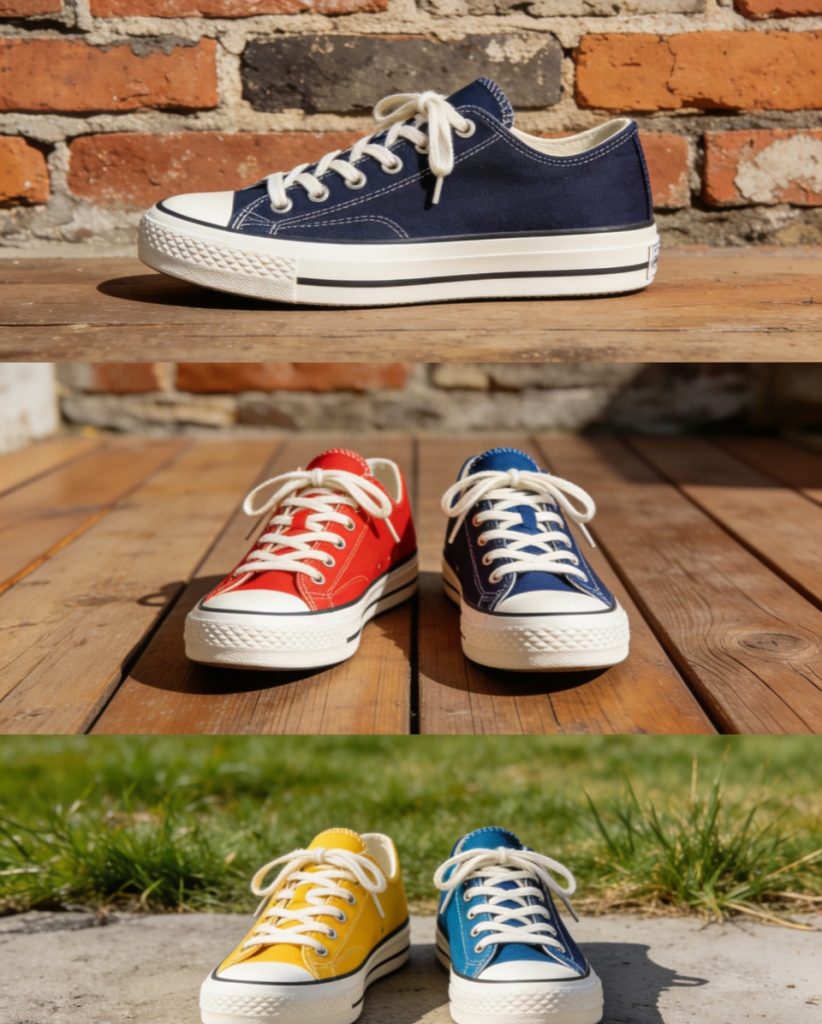
Another advantage is their simple cleaning routine. Most vulcanized shoes can be cleaned with basic tools such as water and a soft brush. Their materials are generally low-maintenance, which is appealing for people with busy lifestyles.
Potential Drawbacks to Consider
Limited Breathability
One common concern with vulcanized shoes is ventilation. The rubber sole and tightly constructed upper can restrict airflow, which may lead to discomfort in hot conditions or during prolonged wear. For individuals prone to sweating, this can become an issue.
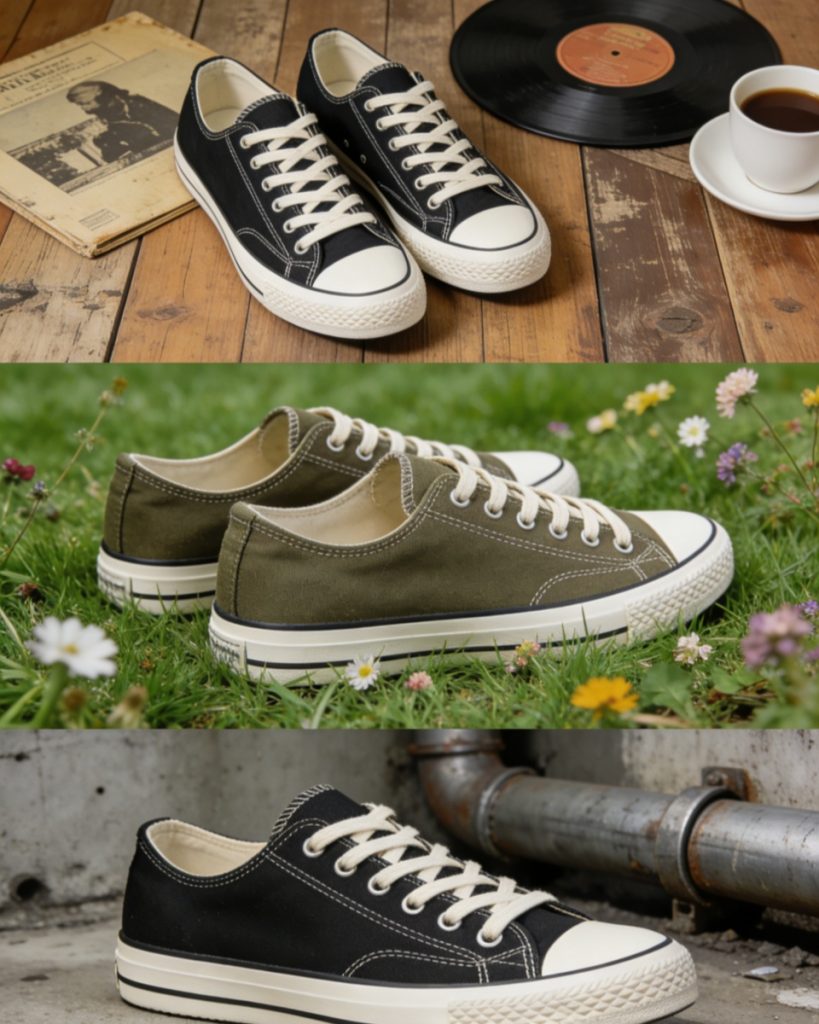
Basic Support Structure
While flexible, vulcanized shoes often lack advanced cushioning or arch support found in performance footwear. This means they may not be the best choice for activities that require long hours of standing or high-impact movement.
Vulcanized shoes remain a popular choice for their style, practicality, and affordability. They are ideal for casual wear and everyday use, especially for those who value simplicity and flexibility. However, like any type of footwear, they come with certain limitations that should be considered based on individual needs.