
When choosing the right footwear, understanding the construction method is essential. The debate around vulcanized vs cemented shoes (also known as cold cement construction) often comes down to performance, comfort, and intended use. Each method offers distinct advantages depending on your needs.
What Are Vulcanized Shoes
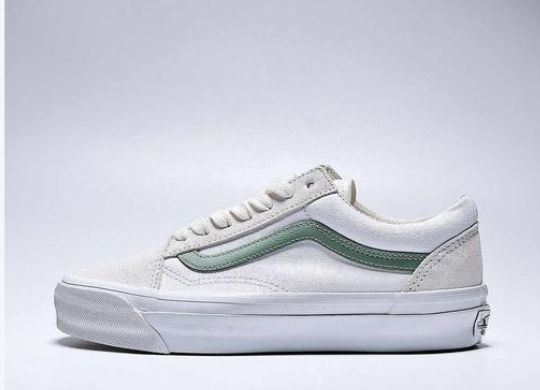
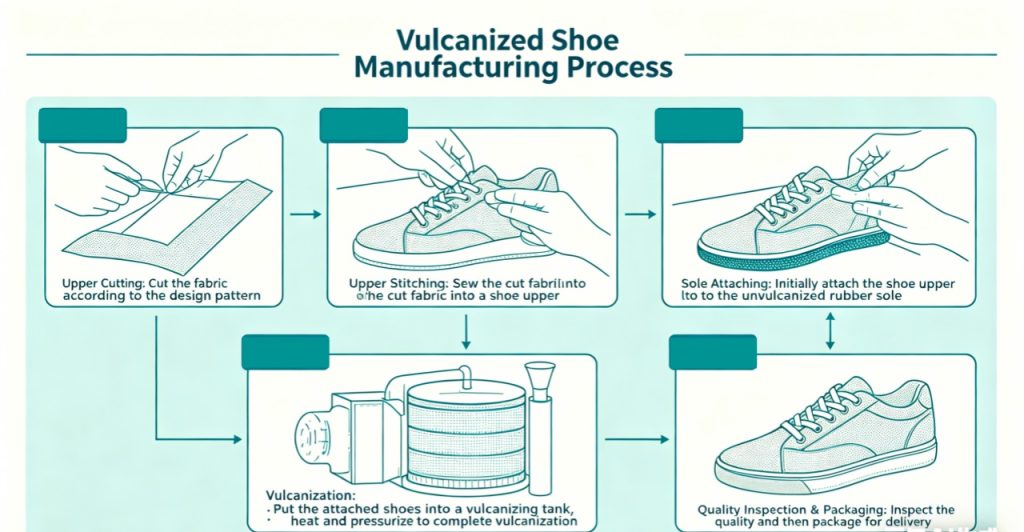
Vulcanized shoes are made using a traditional process where the rubber outsole is bonded to the upper under high heat and pressure. This method creates a strong, flexible connection between the sole and upper.
Because of the heat involved, materials like canvas and suede are commonly used. This construction results in a thinner sole, which enhances board feel and flexibility.
Benefits of vulcanized shoes
- Excellent flexibility and natural movement
- Strong grip and traction
- Close-to-ground feel for better control
- Classic, stylish appearance
These features make vulcanized shoes especially popular for skateboarding and casual wear.
What Are Cemented (Cold Cement) Shoes
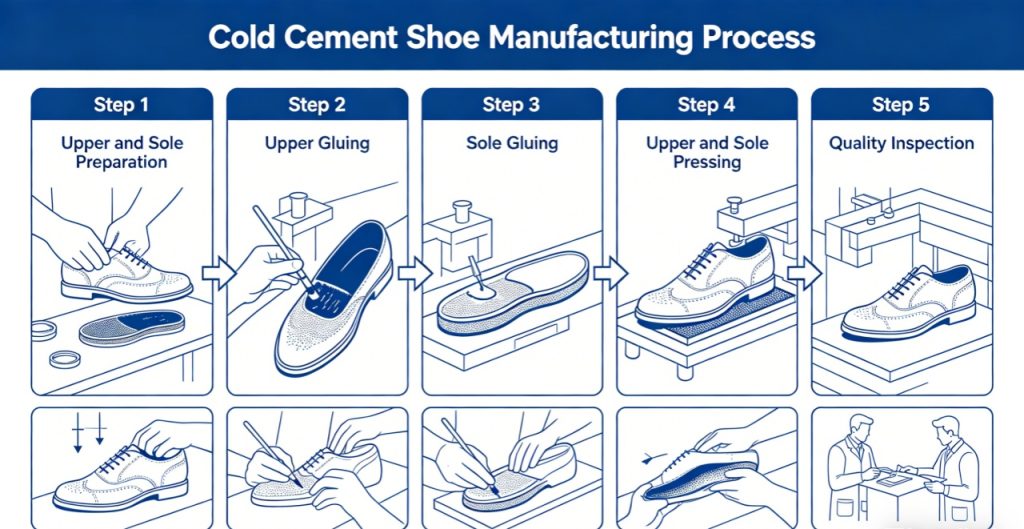
Cemented shoes are made using adhesives instead of heat to attach the outsole to the upper. This modern process allows for a wider range of materials, including mesh, foam, and synthetic fabrics.
Leading brands such as Nike widely use this construction for performance footwear like running and training shoes.
Benefits of cemented shoes
- Lightweight construction
- Superior cushioning and shock absorption
- Greater design flexibility
- Better support for high-impact activities
This makes cemented shoes ideal for sports that require comfort and durability over long periods.
Vulcanized vs Cemented Shoes: Main Differences
Understanding the difference between vulcanized vs cemented shoes can help you choose the right pair:
- Construction Method:
Vulcanized uses heat; cemented uses adhesives - Material Options:
Vulcanized is limited; cemented supports modern materials - Comfort Level:
Vulcanized offers better feel; cemented offers better cushioning - Durability and Support:
Vulcanized is flexible; cemented provides stronger structure
Both vulcanized and cemented constructions have their place in modern footwear. While vulcanized shoes deliver classic style and flexibility, cemented shoes provide advanced comfort and support. By understanding the differences, you can select the best option based on your lifestyle and performance needs.